


The OT role in the Data Journey of Industrial Organizations
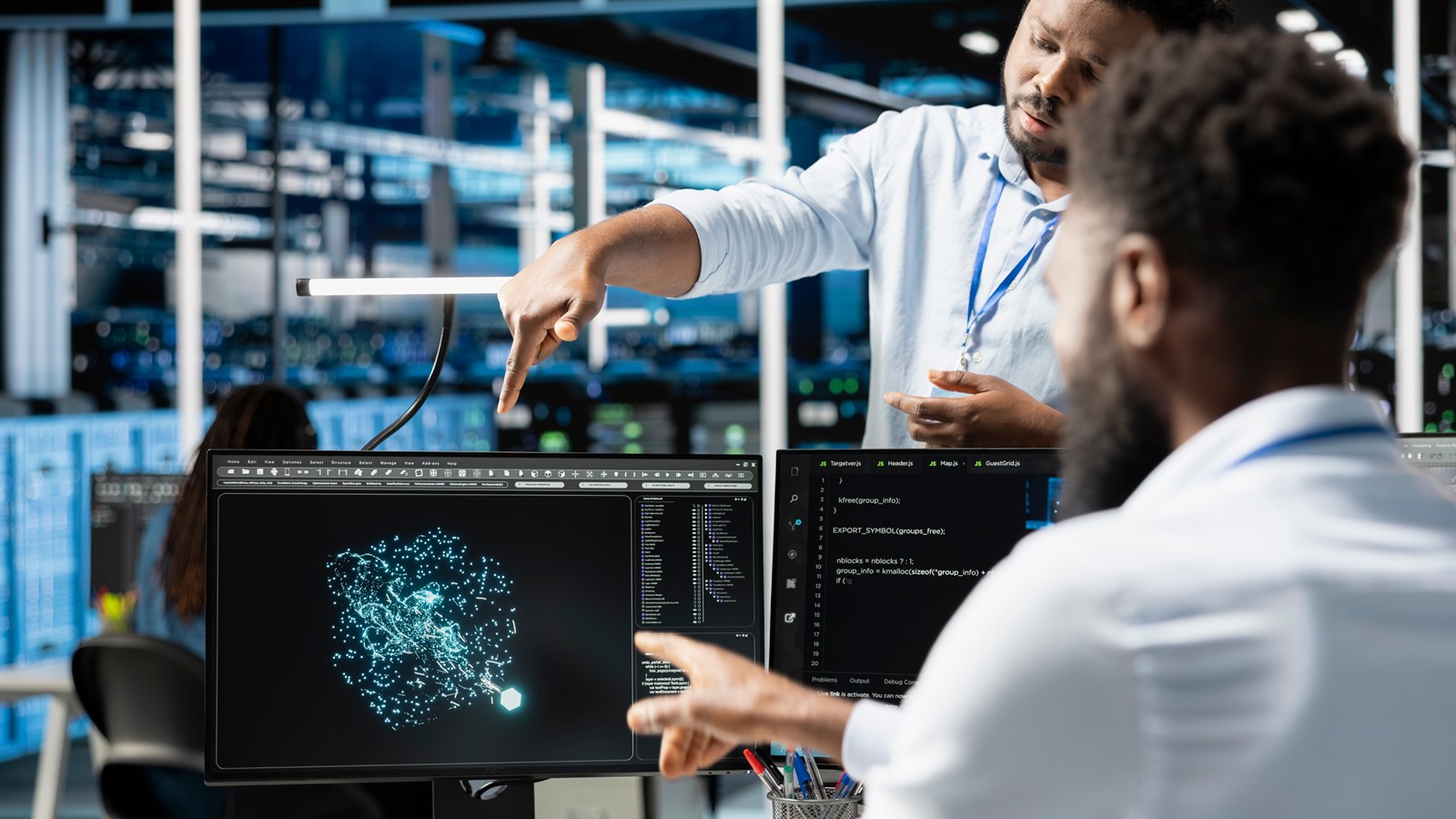
Digital transformation in many organizations starts with a data-driven strategy. The "Data Team" focuses on using company data to solve problems, improve processes, and create new revenue. Whereas the Operational Team (OT) manages the technology that generates the data but doesn’t focus on exploiting the data. IT teams prioritize rapid innovation, while OT teams prioritize reliable operations, which is why OT and IT networks are separate in industrial organizations.
To make the Data Team's strategy a reality, OT and IT networks must converge. This change allows data to be collected directly from company assets and enables on-site deployment of applications that use this data.

As edge computing empowers industrial organizations, the industrial sector is often left to struggle with the gap between enterprise strategy and individual facilities deploying pointed solutions. This issue is due in part to the existence of diversity at the industrial edge, which is associated with operational technologies (OT), IT infrastructures, applications, and people skills. OT will assume more responsibility for those technologies that are critical to them, such as Edge Computing.
Transforming Edge infrastructure into an "intelligent infrastructure" is a complex journey, requiring challenges to be tackled step by step.
Step 1: Data Acquisition and protocol fragmentation is a general challenge
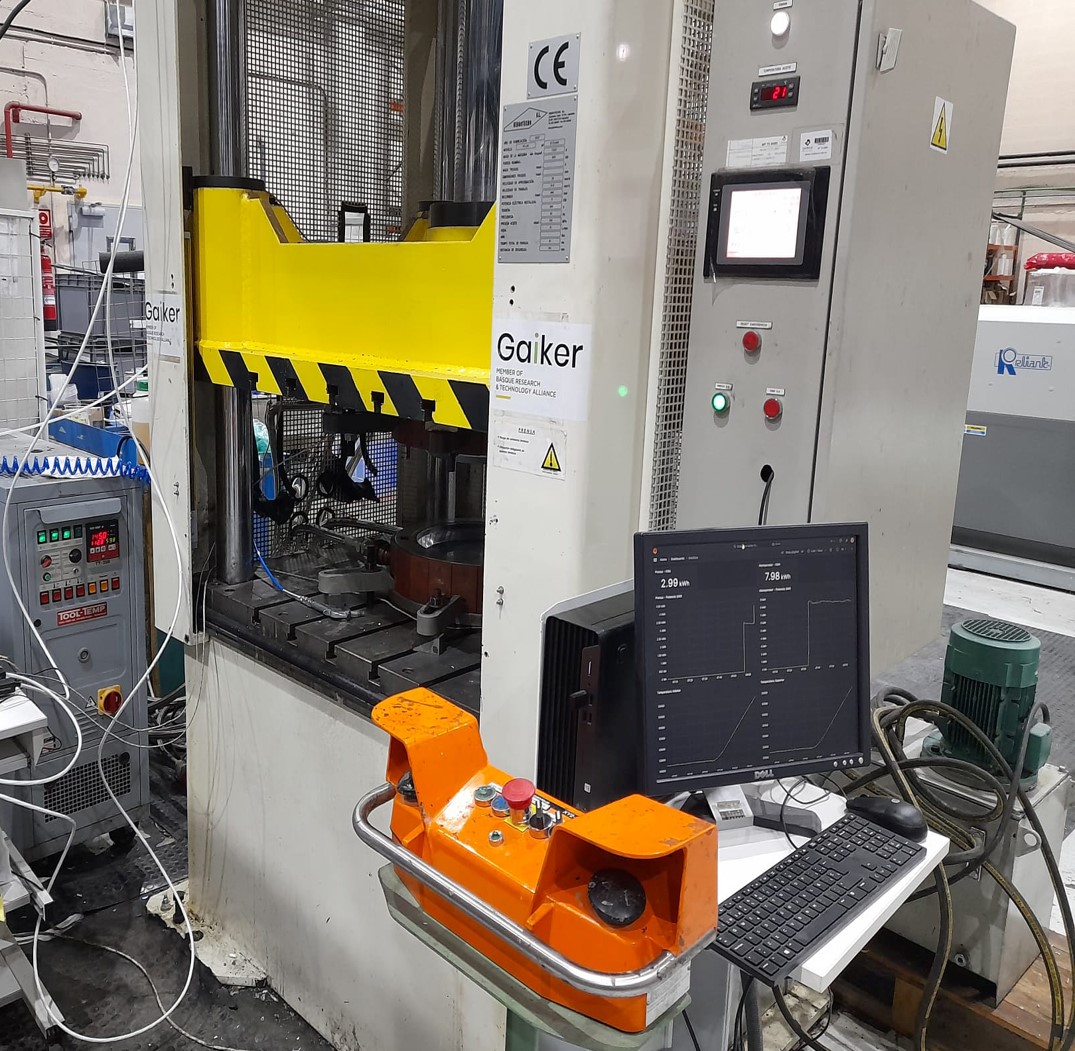
Valuable industrial edge data is typically locked within a vast array of Operational Technology (OT) systems. However these systems are highly heterogeneous, they come from different vendors, feature different characteristics and capabilities, and the components within these systems can’t readily communicate with one another. As a result, organizations struggle to access, analyze, and make use of that data.

Challenge 1: Limited Data Accessibility
Data teams often struggle to access the information they need due to gaps in data collection or technical constraints.
Challenge 2: Data Silos
Offline data sources like spreadsheets or disconnected systems hinder collaboration and scalability.
Challenge 3: Lack of Real-Time Data
Many organizations lack the infrastructure to monitor and collect real-time data from industrial processes.
How Barbara Helps
Barbara integrates with 90% of industrial connectors, seamlessly connecting both legacy systems and next-generation equipment. It consolidates data from diverse sources, breaking down silos and ensuring a unified data flow.

Step 2: Transforming Data into real-time insights
Once data is collected, the next critical step is converting it into meaningful information that drives value. Raw data, in its unprocessed form, provides little actionable insight. Transforming it into information involves several challenges that organizations must address:
Challenge 1: Extracting Value from Raw Data
Raw data is often messy, unstructured, or overwhelming in volume, making it difficult to derive meaningful insights.
Challenge 2: Making Data Understandable
Stakeholders need data presented in formats that are easy to interpret, such as visual dashboards or reports.
Challenge 3: Supporting Proactive Decision-Making
Static data visualization tools only explain what has already happened, limiting the ability to predict and prepare for future events.

How Barbara Helps
Barbara offers a state-of-the-art platform in order to accelerate the data collection and ingestion. It facilitates data processing by enabling the deployment of applications like the MING Stack right from the Barbara Marketplace. Barbara’s capabilities make it easy for Data Teams to deploy dashboards and BI tools straightforwardly.
Deep Dive into deploying the MING Stack at the Edge.
Step 3: Building Intelligent Systems at the Edge
The final stage of the Data Journey involves creating intelligent systems that automate decision-making and optimize operations in real-time. Achieving this maturity presents several challenges that organizations must address.
IDC predicts that by 2026, 75% of large enterprises will rely on AI-infused processes to enhance asset efficiency, streamline supply chains, and improve product quality across diverse and distributed environments. And by 2026 at least 50% of edge computing deployments will involve machine learning (ML), compared with 5% in 2022.
Challenge 1: Automating Decisions with AI and Machine Learning
Transforming raw data into autonomous systems requires advanced algorithms capable of analyzing, learning, and making decisions without human intervention
Challenge 2: Managing Data Volume and Complexity
Intelligent systems rely on processing large volumes of data in real time, requiring robust infrastructure and computational power.
Challenge 3: Integrating IT and OT Systems
Intelligent systems require seamless collaboration between IT and OT teams, combining data management and computational capabilities with reliable operational infrastructure.
Challenge 4: Ensuring Continuous Improvement
Intelligent systems need to adapt to evolving conditions and improve their performance over time.

How Barbara Helps
Barbara Edge AI Platform offers capabilities to manage the lifecycle of models deployed in the field. It provides MLOps functionalities for model deployment and monitoring (Tensor Flow, PyTorch and ONNX frameworks). With Barbara companies can deploy and monitor their trained models in minutes as simply as just exporting them and sending them to the platform.
Deep dive into the latest features of Barbara Platform 3.0.0: From Legacy Systems to Full Edge AI. Now with VM Support and Enhanced Native AI Integration.
Barbara, the software for every step of "the Data Journey" in Industrial Operations
Digitization teams need tools to efficiently orchestrate AI applications and models across distributed locations.
Simultaneously, infrastructure teams need solutions that enable them to “safely” evolve from isolated systems to intelligent infrastructures.
Barbara addresses their needs, facilitating the deployment and orchestration of edge applications and AI models in their operations, modernizing their architecture, maintaining their security commitments, and all without the need to replace any of their components.
Start leveraging your Edge Data. Book a demo today!