13/10/2026
-
3
min
At JIEEC 2026 in Bilbao, utilities, manufacturers and tech providers discussed, amongst others, how the grid can drive industrial decarbonization, regulatory aspects, new designs of substations for the smart grid, digitalization and flexibility for efficient and safe operations and the competitiveness of industry. David Purón, Barbara’s CEO, joined the panel on innovative startups and SMEs facing the challenges of the future electricity grid.
At JIEEC 2026 in Bilbao, utilities, manufacturers and tech providers discussed, amongst others, how the grid can drive industrial decarbonization, regulatory aspects, new designs of substations for the smart grid, digitalization and flexibility for efficient and safe operations and the competitiveness of industry. David Purón, Barbara’s CEO, joined the panel on innovative startups and SMEs facing the challenges of the future electricity grid.


On October 8, 2026, Barbara took part in the XVIII International Conference on Electricity Grids (XVIII Jornadas Internacionales de Redes Eléctricas, JIEEC), held at the BAT | B Accelerator Tower in Bilbao, Spain. Co-organized by TECNALIA, Orkestra (Basque Institute of Competitiveness) and the Ente Vasco de la Energía, this year's edition was titled Technologies at the Service of the Grid of the Future for Industrial Electrification. David Purón, Barbara's CEO, joined one of its panels to discuss the challenges of the future electricity grid.

The agenda was very complete. Between the welcome and the closing conclusions, it covered the grid development needed for industrial decarbonization, regulation, new designs for lines, substations and switchgear, digitalization and advanced control, storage and flexibility, and two panels of innovative startups and SMEs. Among the sessions that stood out were Grid4Industry, with Javier Arriola (i-DE, Iberdrola Group) and Guillermo Allende Aranguiz (Basque Government), and the one on regulatory aspects of grid development, with Enrique Monasterio (CNMC).
In the Grid4Industry session, Javier Arriola, Northern Region Director at i-DE (Iberdrola Group), presented Opportunities for grid development in a context of electrification. He summed up Spain's position as strong in generation, with renewables expected to cover 60% of its energy in 2026, a big opportunity in consumption and electrification, and weak in grids, which are running out of capacity. His answer was a resilient and digital grid, backed by investment, faster connection of new demand, flexibility and public-private collaboration through the Grid4Industry clusters, with a roadmap and pilots to debug, scale and show.
Guillermo Allende Aranguiz, Director of Decarbonization at the Basque Government, presented the development of the Basque electricity grid. The Plan de Industria Euskadi 2030 is built around three goals, more industry, better industry, fewer emissions. His slides on preparing the grid for the decarbonization of industry include a commitment to expand the grid's capacity in Euskadi by up to 6,000 MW to supply its industry, aimed at the decarbonization of existing industries, reindustrialization needs and singular projects such as hydrogen production, synthetic fuels or port activities.
The regulatory view came from Enrique Monasterio, board member of the CNMC. His presentation started from the idea that the grid was not originally designed for the challenges of the 21st century and has to move from supporting infrastructure to an enabler of industrial development: the challenge is not only having more grid, but turning it into effective connections for industry. The regulatory framework for grid access is evolving accordingly, from ordering requests to actively managing capacity, with more transparency (monthly capacity maps by node and traceable files) and firm alternative and flexible capacity, so that new projects can connect sooner and make better use of the existing infrastructure.
Barbara was represented by David Purón in the panel Innovative Startups and SMEs Facing the Challenges of the Future Electricity Grid II, alongside Alvaro Sánchez Cuervo (Plexigrid) and Julio Echenique Carbonell (Phygital X), and moderated by Oscar Puche (EVE).
David Purón explained how the grid of the future will run a lot more software, from digital twins and virtualized substations to AI for operation and maintenance, and every company at the congress will be building a piece of it. In that scenario, he described two things that matter: whether the teams that run it are ready, and how scalability is going to be possible on the infrastructure they already have.

The companies on the panel tackle different layers of the same challenge, from planning and digital twins to virtualization and edge infrastructure. And a clear conclusion: the grid of the future won't be built by a single technology, but by many working together.
Thanks to the organizers and to everyone who joined the conversation in Bilbao. Next stop: Smart Energy Congress.
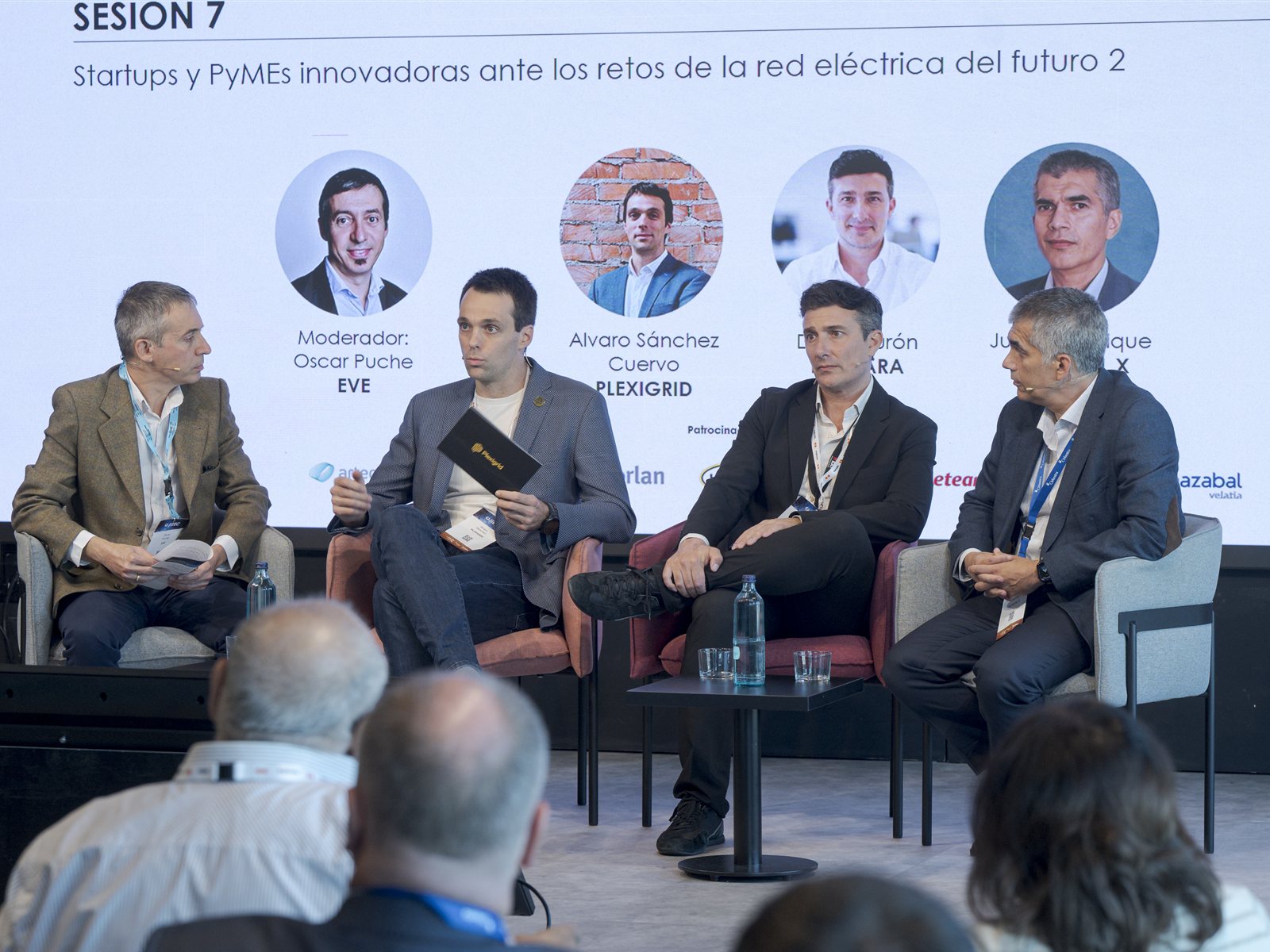
At JIEEC 2026 in Bilbao, utilities, manufacturers and tech providers discussed, amongst others, how the grid can drive industrial decarbonization, regulatory aspects, new designs of substations for the smart grid, digitalization and flexibility for efficient and safe operations and the competitiveness of industry. David Purón, Barbara’s CEO, joined the panel on innovative startups and SMEs facing the challenges of the future electricity grid.
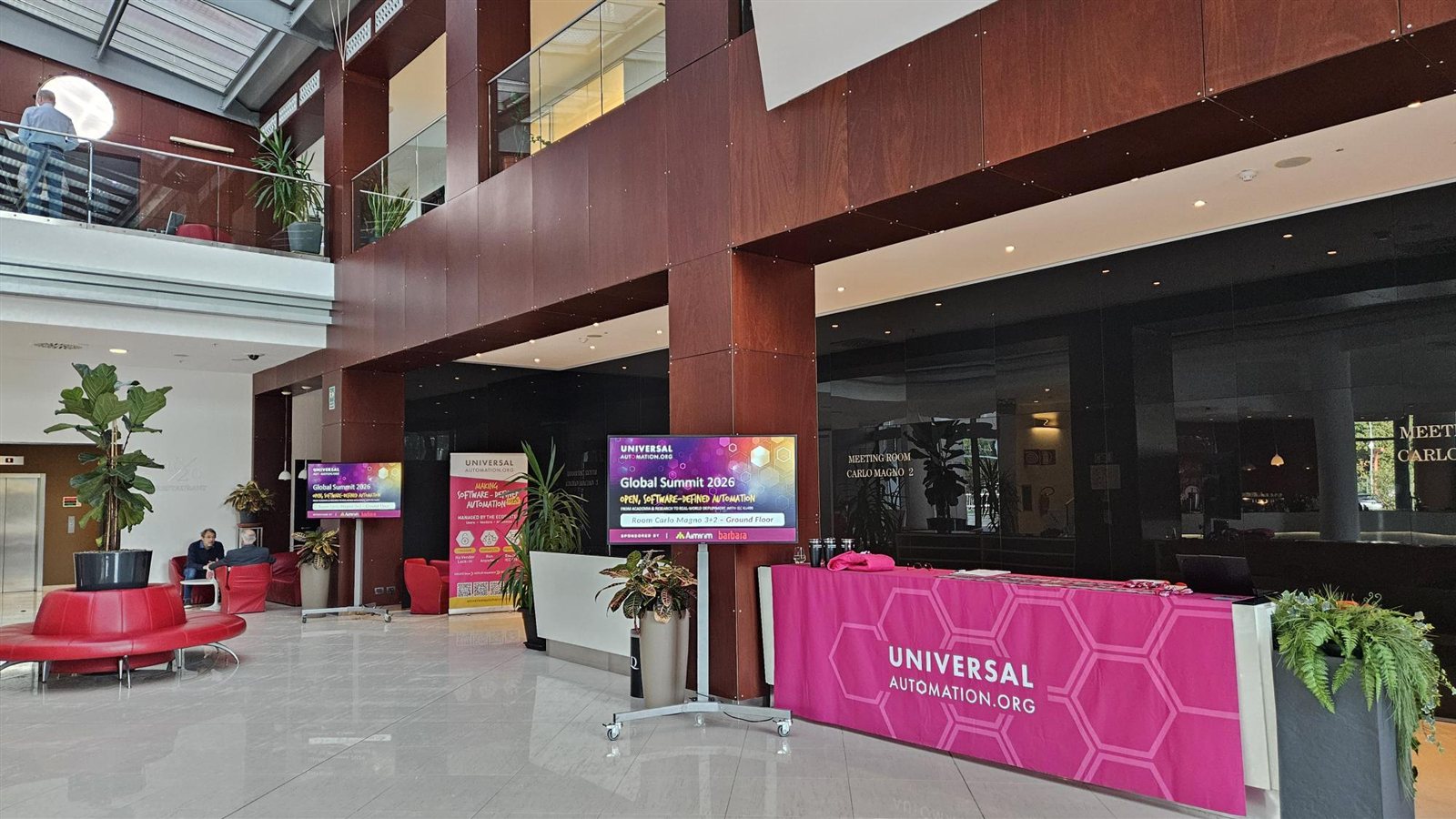
Barbara, a UAO member, took part in the UAO Global Summit in Milan represented by its CEO David Purón. Three days on IEC 61499, industrial AI and IT-OT integration showed open automation moving into real plants.
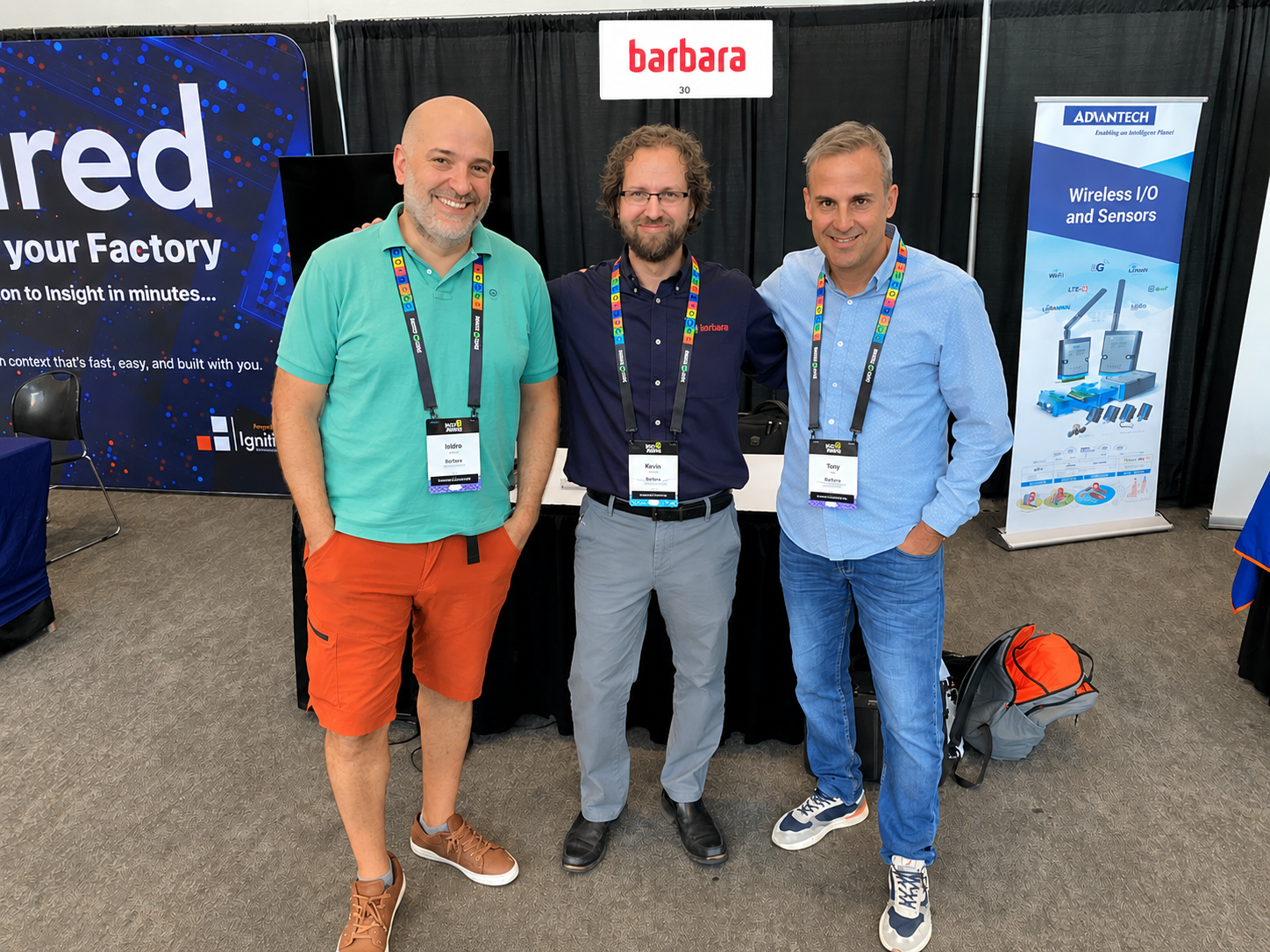
Barbara joined ICC 2026 in Sacramento to show how Ignition can run across hundreds of distributed edge devices, with high availability built in.


